
For a bra component RFQ, separate what the catalogue visibly shows from what the supplier must confirm. Name the exact item and version, list the garment areas to be specified, and ask which components are attached, separately included, optional or excluded. Bind each construction answer to an identified drawing, sample or document rather than treating promotional wording as a parts specification.
Define a garment scope before requesting construction details
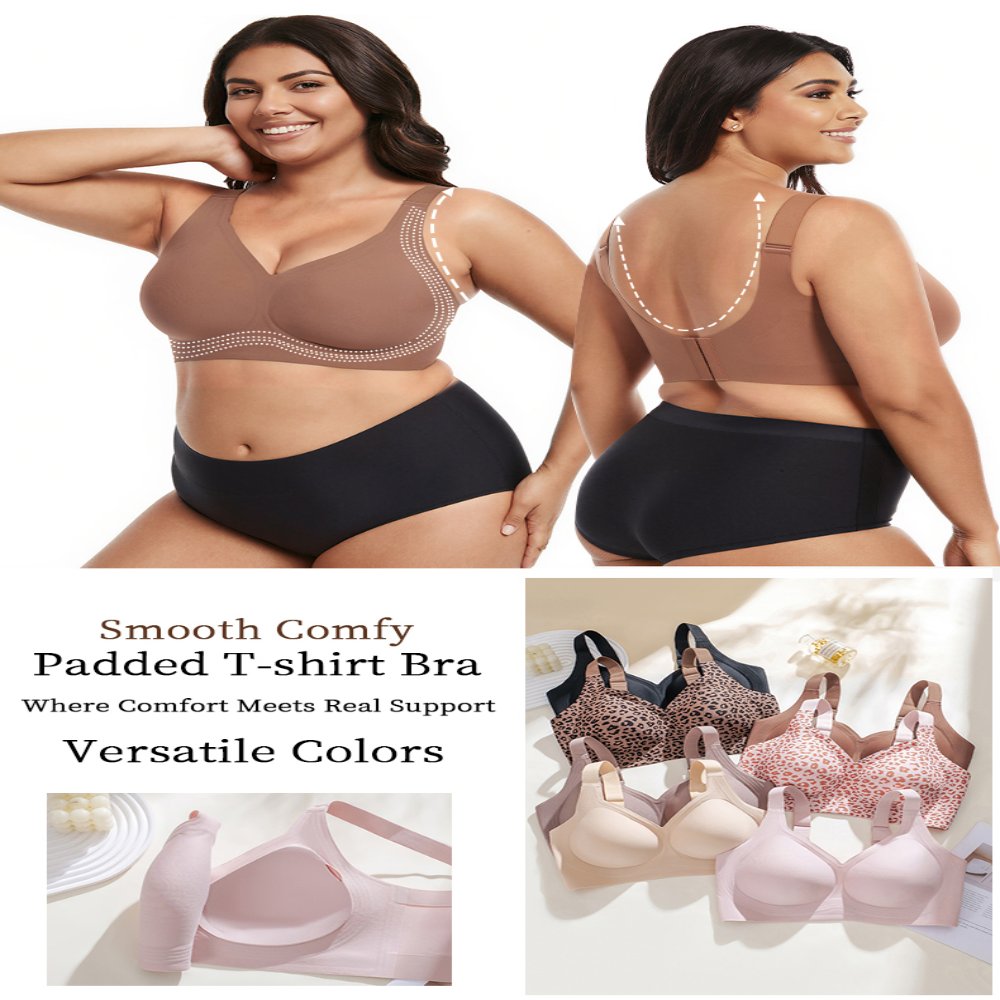
The actual Jianliang product page identifies DV12 as a Large Size Lifting Bra. Its front and rear catalogue views provide a useful starting reference for an enquiry about straps, the rear garment area and the main body. They do not constitute a technical drawing or a confirmed list of supplied parts. The product name is a catalogue identity, not proof of a measured lifting effect.
A buyer comparing wholesale large size lifting bras should first state whether the enquiry concerns the complete garment shown, a different proposed construction or an additional loose component. Ask the supplier to acknowledge that scope in writing. Do not assume that separately supplied straps, extensions, inserts, hangers or other display objects are included merely because they might be relevant to a retail offer.
Keep visible observations separate from construction claims
The selected black and patterned images show straps and rear views. A buyer can refer to those visible areas when asking a question, but cannot reliably establish hardware dimensions, exact fastening counts, material composition or internal assembly from these pictures. Record an observation as an observation. Keep the corresponding technical specification field open until there is an attributable response.
The original product image set also contains promotional construction and performance statements. Those statements have not been adopted here as verified product specifications. Request a version-specific construction reference if a feature matters to the purchase. For example, a question about the rear fastening can request an opened view and an acknowledged description without asserting that a particular arrangement is already offered or suitable for a given use.
Build a component register the supplier can complete
Use neutral area names until the supplier confirms the part terminology. Where two people use different names for one feature, put both descriptions beside the same marked reference. Do not create a supplier part number yourself. A buyer reference can organise the enquiry, while the actual supplier code remains a separate field to be filled by the supplier.
Garment area or supply item | Evidence to request | Scope decision to record
Main garment | Exact DV12 version and construction reference | Complete garment included or alternative proposed
Straps and adjustment area | Identified drawing or relevant sample views | Attached configuration and any separate parts
Rear fastening area | Opened and closed reference with a written description | Actual construction proposed for this version
Cup or inner assembly | Supplier declaration and version-specific evidence | Configuration confirmed or still unresolved
Loose additions and packaging | Explicit list of separately supplied contents | Included, optional, separately quoted or excluded
Ask for evidence that answers the actual uncertainty
A request for more photos is often too vague. Name the uncertainty and the view that could address it: an opened fastening, the adjustment route, or an identified inner assembly. Ask which item and version the evidence depicts. An attractive front-view catalogue image cannot answer every construction question, and an image of a similar garment should not silently replace the requested reference.
Keep the supplied files with their dates and revisions. If the supplier’s written answer and image appear inconsistent, mark the issue unresolved and ask for a reconciled response. Do not infer which one should take precedence. Where a material or component declaration is required, identify the garment area it covers and the source of the declaration; colour and surface appearance do not establish composition or grade.
Separate component scope from appearance and measurements
An appearance approval, a garment measurement sheet and a component register have different jobs. A colour sample may establish which presentation was selected while leaving the fastening construction unconfirmed. A measurement sheet may define endpoints without stating whether a loose accessory is included. Link those documents by item and version, but preserve the decision recorded in each one.
If a proposed component changes, identify the affected area and ask which linked documents need review. Record whether the supplier proposes a new construction reference, an updated sample or a supply-scope change. Do not automatically approve the entire garment because one replacement photograph looks similar. Likewise, avoid turning an agreed component description into a promise about comfort, support, wash life or wearer suitability.
Close the scope record before the order is released
Send the register through the product enquiry or contact route below. Commercial terms and any optional component proposal remain subject to the supplier’s current response. The completed record should let purchasing and receiving identify what was actually offered, without borrowing unsupported claims from a category label, a model photograph or a promotional graphic.
• Confirm the exact complete garment and version being offered, using the actual product reference.
• List each area that needs a technical answer, with its governing drawing, sample or declaration.
• Separate attached parts from loose additions, packaging and display props; state included or excluded explicitly.
• Leave unresolved construction fields visible and obtain a dated supplier acknowledgement of the final scope.
Frequently asked questions
Do front and rear photographs prove the internal construction?
No. They identify visible garment areas and appearances. Ask for version-specific evidence for internal assembly, component details or material declarations that matter to the order.
Can a buyer assume that spare straps or extensions are included?
No. Ask for an explicit list of loose contents and classify each item as included, optional, separately quoted or excluded. This article does not establish that such additions are offered.
Is component approval the same as approving the measurement sheet?
No. The component register defines construction and supply scope. The measurement sheet defines the garment points and observation conditions; both should refer to the same identified version.
Does the catalogue name confirm lifting or support performance?
No. The name identifies the supplier’s listing. A performance statement needs separate applicable evidence and must not be inferred from the name or photographed appearance.
Product and contact references
https://jianliangbra.com/product/2-large-size-lifting-bra/
https://jianliangbra.com/products/?product_filter=large-size-lifting-bra
https://jianliangbra.com/contact/
https://jianliangbra.com/blog/